Bread Machine Recipes That Actually Work
Here's an uncomfortable pattern from thousands of owner reviews across every machine we cover: the bread maker usually isn't what failed — the recipe was. Machine manuals ship with recipes written for marketing (look at all these cycles!) rather than baking, and cup measurements introduce flour variance of up to 20%. This page gives you the four base formulas that work in any machine — the ones worth memorizing before you ever buy another specialty recipe.
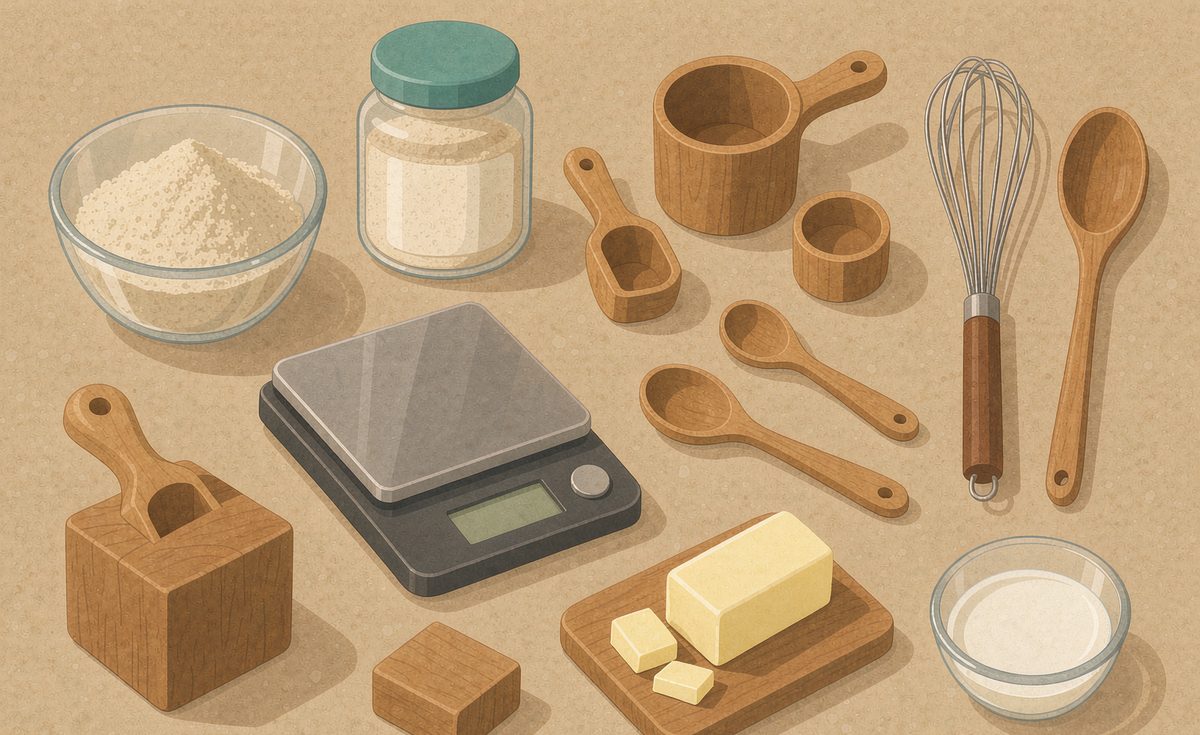
The one fix that solves most failures: weigh everything
A "cup" of flour can weigh anywhere from 120g to 160g depending on how you scoop. Bread dough is a ratio game — 20% variance in flour is the difference between a smooth ball and a wet brick. A $12 kitchen scale fixes more bread machine problems than any machine upgrade. If you take one thing from this page: recipes by weight, liquids first, yeast last, away from the salt.
Check kitchen scales on AmazonBase formula 1: basic white (2 lb loaf, any machine)
| Ingredient | Weight |
|---|---|
| Water (room temp) | 360 g |
| Bread flour | 600 g |
| Sugar | 21 g |
| Salt | 12 g |
| Butter | 28 g |
| Instant yeast | 7 g |
Liquids in first, flour on top, yeast in a well away from the salt and butter. Basic cycle, medium crust. This is ~60% hydration — the ratio that works in vertical-pan machines like the Hamilton Beach and horizontal-pan machines like the Zojirushi Virtuoso Plus alike. Humid day? Hold back a tablespoon of water; dry day? Add one.
Base formula 2: 100% whole wheat (2 lb loaf)
| Ingredient | Weight |
|---|---|
| Water | 400 g |
| Whole wheat flour | 560 g |
| Honey or sugar | 28 g |
| Salt | 11 g |
| Butter or oil | 28 g |
| Instant yeast | 8 g |
Whole wheat absorbs more water and its bran cuts gluten strands — so this formula runs wetter (70% hydration) with slightly more yeast, and it wants the machine's whole wheat cycle, which gives a longer knead and a two-stage rise. Single-blade machines benefit from one corner-scrape during the first knead. Expect a denser loaf than white — that's the flour, not your machine. For the tuned deep version — vital wheat gluten ratios, a beginner 60/40 blend, and add-in timing — see our whole wheat recipe page.
Base formula 3: dough for oven baking (the workflow pros use)
| Ingredient | Weight |
|---|---|
| Water | 380 g |
| Bread flour | 600 g |
| Salt | 12 g |
| Sugar | 14 g |
| Olive oil | 21 g |
| Instant yeast | 7 g |
Run the dough cycle only, then shape and bake in your oven (425°F, ~25–30 min, steam pan in the bottom). You get machine kneading with real oven crust — the best of both worlds, and the reason many long-term owners keep their machine for years even after moving loaves to the oven. This is also the cycle to use with your dutch oven for rustic rounds.
Base formula 4: gluten-free (1.5–2 lb, GF-cycle machines only)
| Ingredient | Weight |
|---|---|
| Water (warm) | 420 g |
| GF bread blend (with xanthan) | 500 g |
| Eggs, beaten | 2 large |
| Sugar or honey | 24 g |
| Oil | 42 g |
| Instant yeast | 7 g |
GF dough is a batter — no kneading to develop, no punch-down. This only works on machines with a genuine GF cycle (how to tell the real ones: our gluten-free bread machine guide). Scrape corners once during mixing on single-paddle machines. Blend choice matters more than machine choice here — use blends formulated for bread machines, measured by weight.
Why machine-manual recipes fail (and these don't)
- Cup measurements. Up to 20% flour variance per loaf — the #1 cause of sunken middles and dense crumb.
- Yeast-and-salt contact. Salt directly on yeast slows or kills it. Layer: liquid, flour, salt on one side, yeast in a well on the other.
- One recipe for every machine. Vertical pans bake differently than horizontal; 1.5-lb cycles differ from 2-lb. Ratios travel; exact recipes don't. Learn the hydration percentage and adapt.
- Ignoring the weather. Flour absorbs ambient moisture. The dough ball check — a smooth ball after 5 minutes of kneading — beats any written recipe. Wet? Add flour by the tablespoon. Dry? Add water the same way.
The dough-ball check: your 5-minute insurance policy
Whatever you bake, open the lid once about five minutes into kneading. You want a single smooth ball that clears the pan sides. Wet batter clinging everywhere → flour by the tablespoon. Dry shaggy mess not coming together → water by the tablespoon. Thirty seconds of attention here saves every loaf this page can't predict for your kitchen's exact conditions.
Frequently asked questions
What's the golden ratio for bread machine recipes?
Basic white 2-lb: 360g water / 600g flour / 12g salt / 7g yeast — about 60% hydration, weighed. Adjust liquid a tablespoon at a time for humidity and flour brand.
Why did my loaf sink in the middle?
Too much liquid or yeast relative to flour, usually from cup-measuring. Weigh ingredients, reduce liquid in humid weather, verify yeast is fresh.
Can I bake in the oven instead?
Yes — use the dough cycle, then shape and bake at 425°F. Machine kneading plus oven crust is the workflow most long-term owners settle into.
Do I need altitude adjustments?
Above ~3,000 feet: reduce yeast by 1/4 teaspoon and liquid slightly, and watch the first rise — it goes faster at altitude.
Next read
Pair these formulas with the right machine: Best bread makers for beginners → · Cuisinart CBK-110 review → · Sourdough starter kit →